Equipment Guide
-
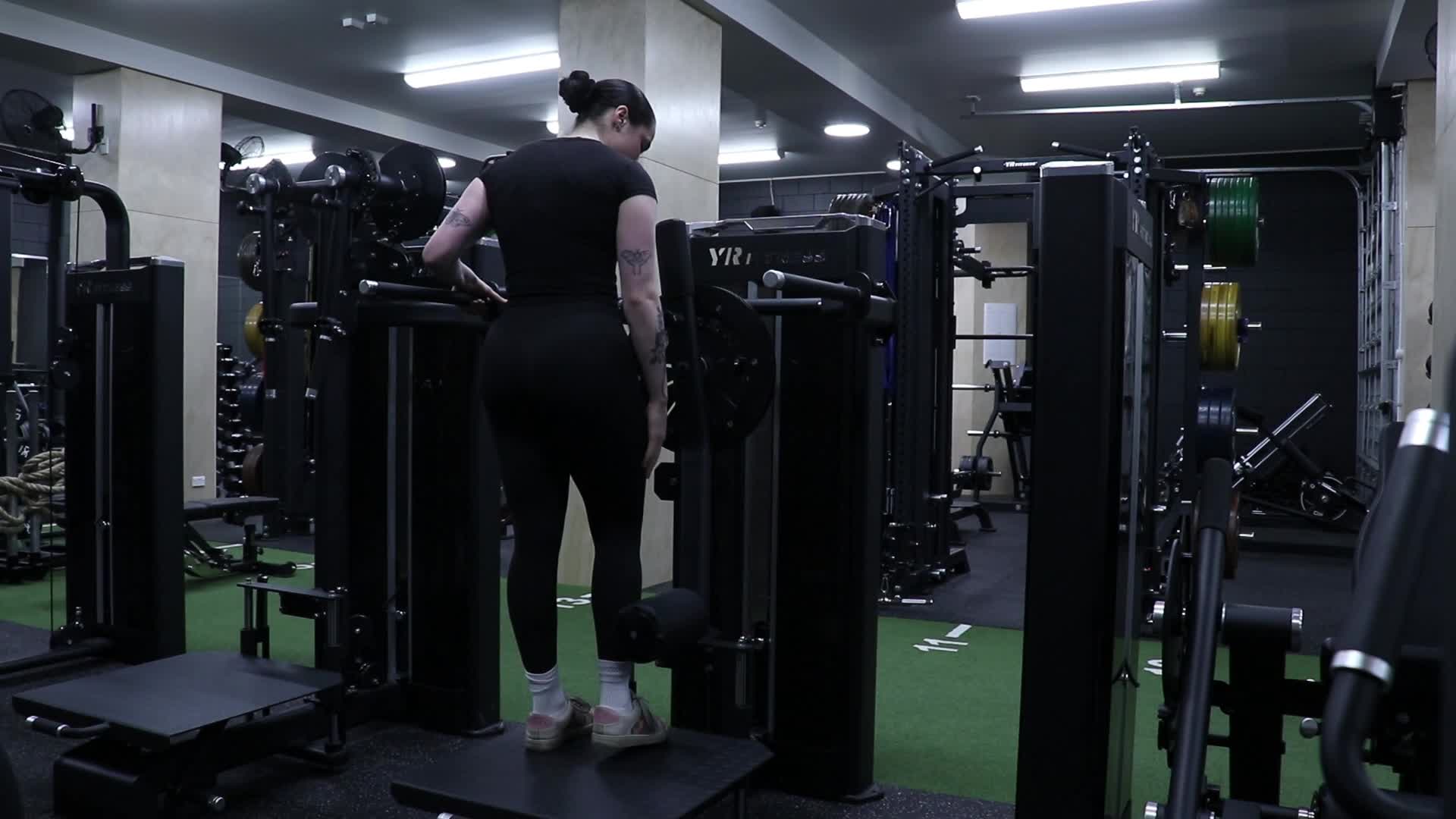
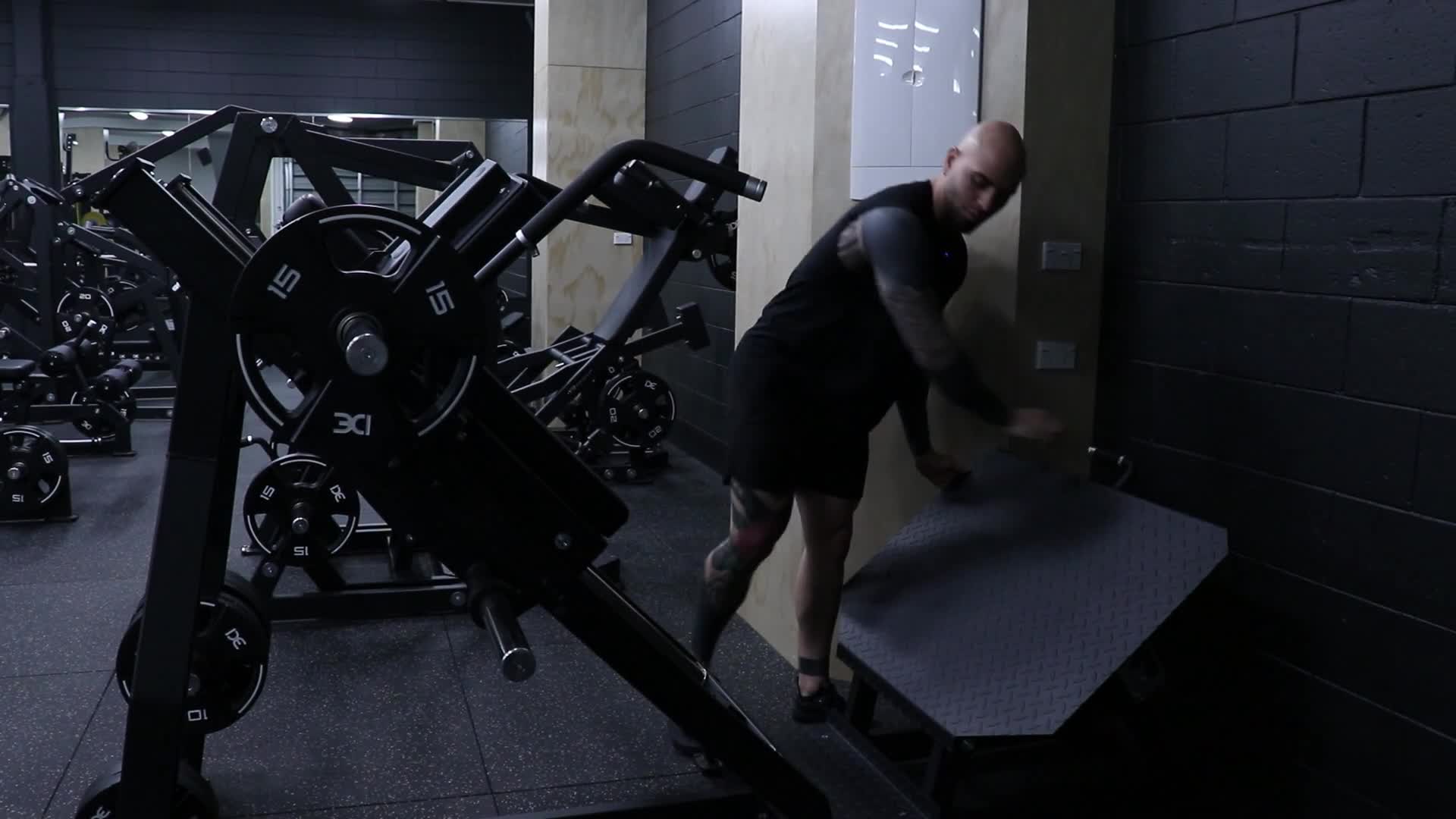
Multi Hip Machine
What is it?
The Multi Hip Machine is a lower body isolation machine designed to strengthen the muscles around the hips and thighs. By adjusting the cushioned pad to different positions, you can perform single-leg hip abduction or hip adduction while using the handles for balance and stability.Primary Muscles Worked
Hip Abduction:
Glutes
Outer Hips (Hip Abductors)
Tensor Fasciae Latae (TFL)
Hip Adduction:
Inner Thighs (Adductors)
Hip Flexors
Glutes (Secondary)
How to Use
Step onto the platform and stand upright with your feet positioned comfortably on the plate. Hold the handles on either side of the machine for balance and stability.For hip abduction, adjust the cushioned pad downwards so the foam pad rests comfortably against the outside of your calf. Keep your foot in a neutral position and lift your leg outwards against the pad, moving from the hip. Slowly return your leg to the starting position under control before repeating.
For hip adduction, adjust the cushioned pad slightly upwards and position yourself so the foam pad rests against the inside of your calf. Using the same standing position, bring your working leg inwards against the pad, moving through the hip and targeting the inner thigh. Slowly return your leg to the starting position before repeating.
Coaching Tips
Hold the handles firmly to maintain balance throughout the movement.
Keep your standing leg stable and slightly bent.
Keep your foot and knee facing forward with a neutral leg position.
Move from the hip rather than swinging your leg.
Use a controlled range of motion and avoid using momentum.
Keep your torso upright and avoid leaning to the side.
Complete all repetitions on one leg before switching sides.
-
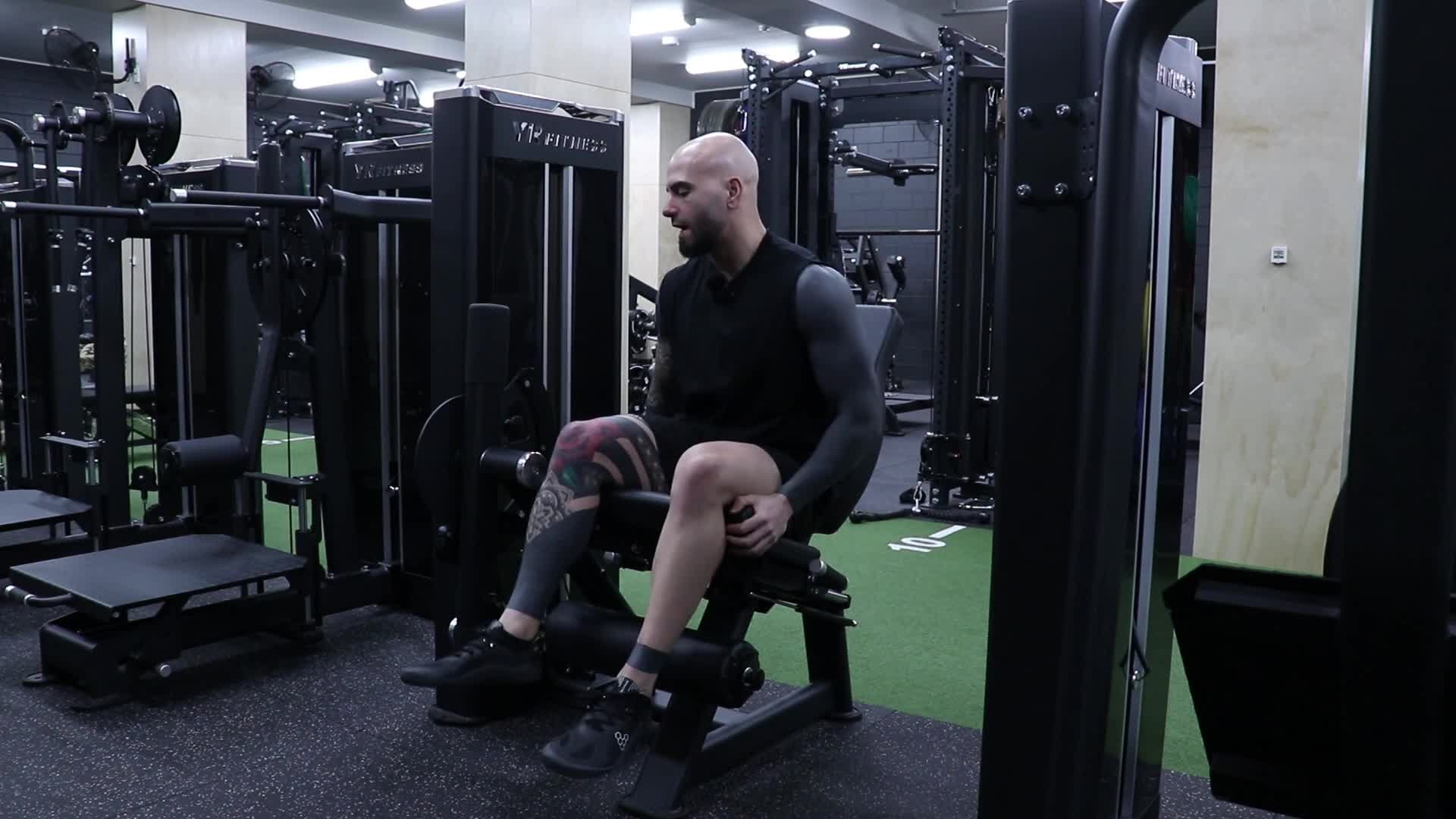
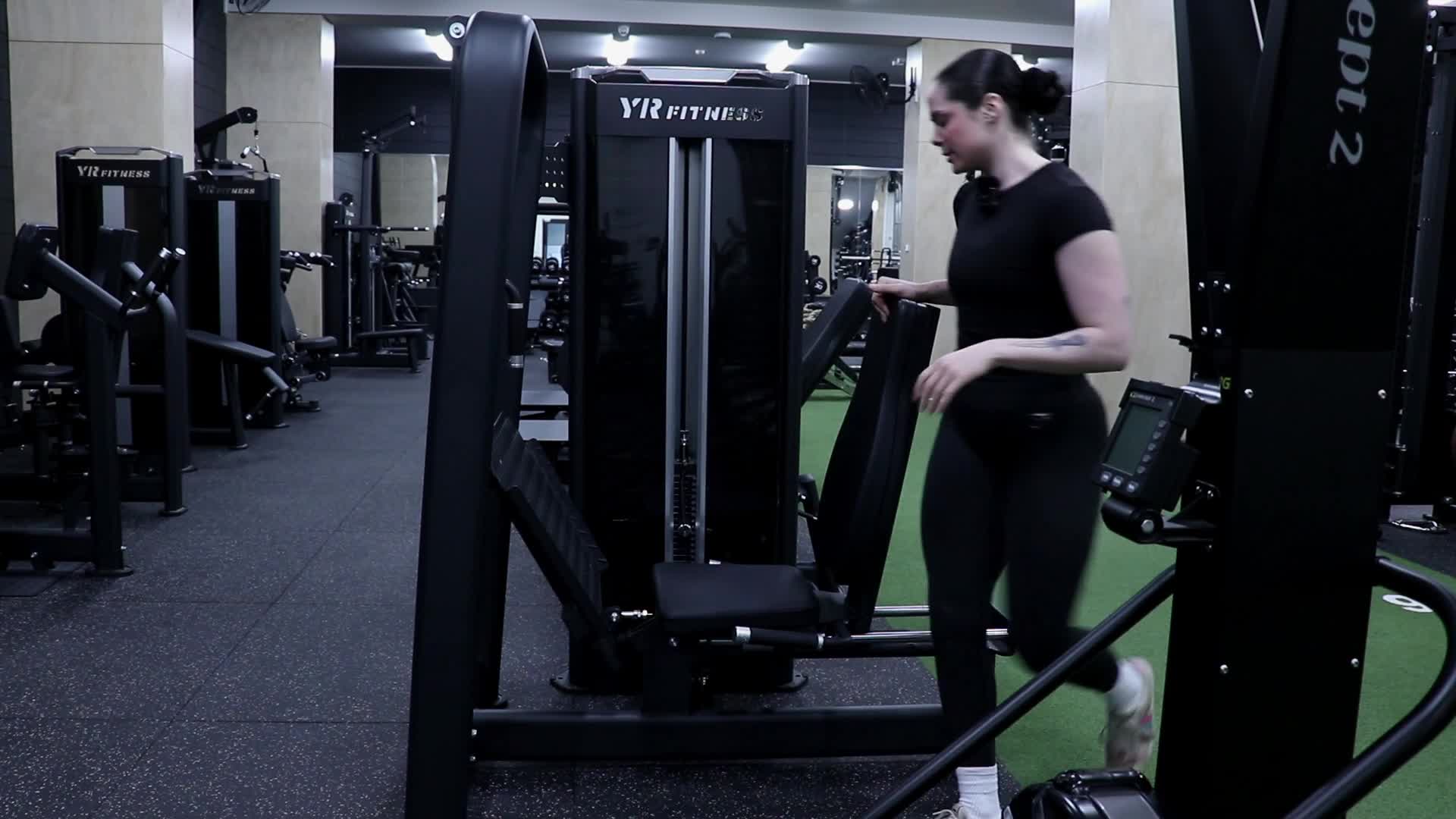
Leg Extension Machine
What is it?
The Leg Extension Machine is an isolation lower body exercise designed to strengthen and build the quadriceps. The machine provides a controlled knee extension movement, allowing you to specifically target the front of the thighs while keeping the rest of the body supported.Primary Muscles Worked
Quadriceps
Hip Flexors (Secondary)
How to Use
Adjust the seat and backrest so your knees are aligned with the machine's pivot point. Position your lower legs behind the padded roller and grip the handles for stability. Extend your legs by straightening your knees and raise the padded roller until your legs are almost fully extended. Squeeze your quadriceps at the top of the movement, then slowly lower the weight back to the starting position under control.Coaching Tips
Keep your back and hips firmly supported against the pad.
Align your knees with the machine's pivot point before starting.
Keep your movements slow and controlled throughout the exercise.
Squeeze your quadriceps at the top of each repetition.
Avoid aggressively locking your knees at the top.
Lower the weight slowly and avoid allowing the weight stack to slam between repetitions.
-
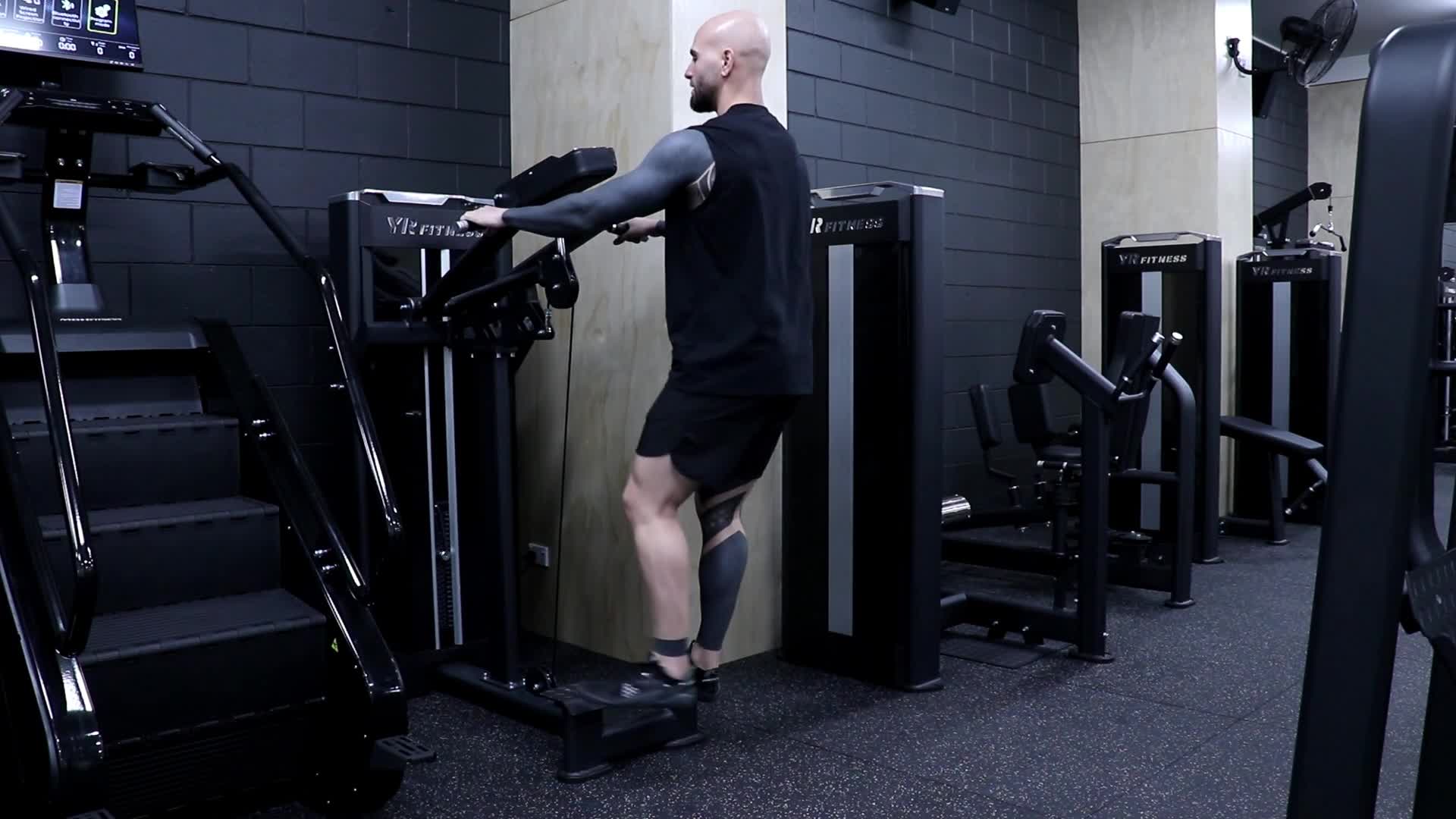
Standing Calf Raise Machine
What is it?
The Standing Calf Raise Machine is an isolation lower body exercise designed to strengthen and build the calf muscles. The machine provides support and stability while allowing you to work through a controlled range of motion at the ankle.Primary Muscles Worked
Gastrocnemius (Calves)
Soleus (Calves)
How to Use
Position your shoulders comfortably under the pads and place the balls of your feet on the foot platform with your heels hanging slightly off the edge. Stand upright with your legs straight but not locked. Lower your heels towards the floor to achieve a comfortable stretch through your calves, then drive through the balls of your feet to raise your heels as high as possible. Pause and squeeze your calves at the top before slowly lowering your heels back down.Coaching Tips
Keep the balls of your feet firmly planted on the platform throughout the movement.
Use a full, controlled range of motion to maximise calf engagement.
Pause and squeeze your calves at the top of each repetition.
Avoid bouncing at the bottom of the movement.
Keep your knees slightly soft and avoid locking them aggressively.
Use a controlled tempo rather than relying on momentum.
-
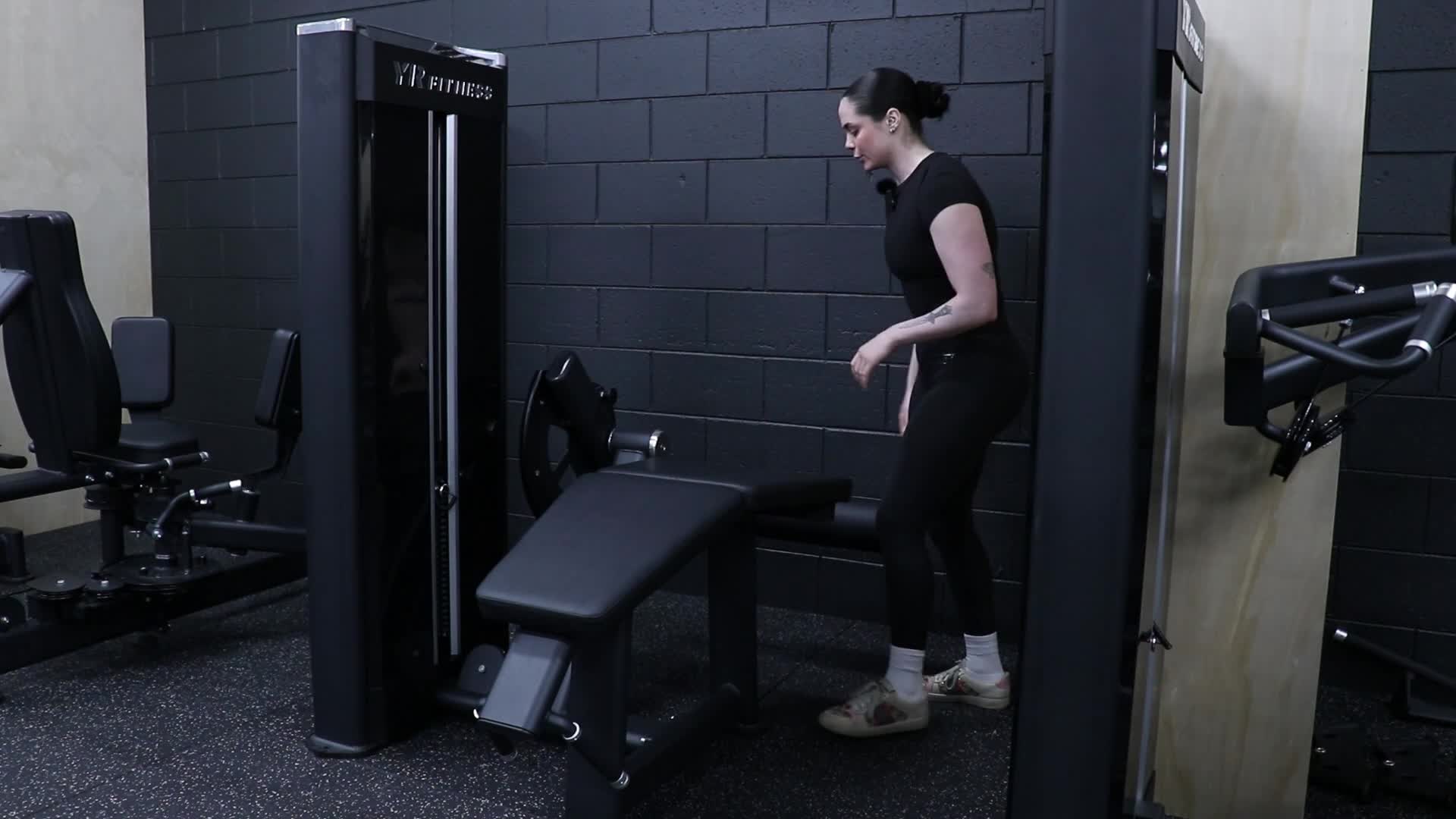
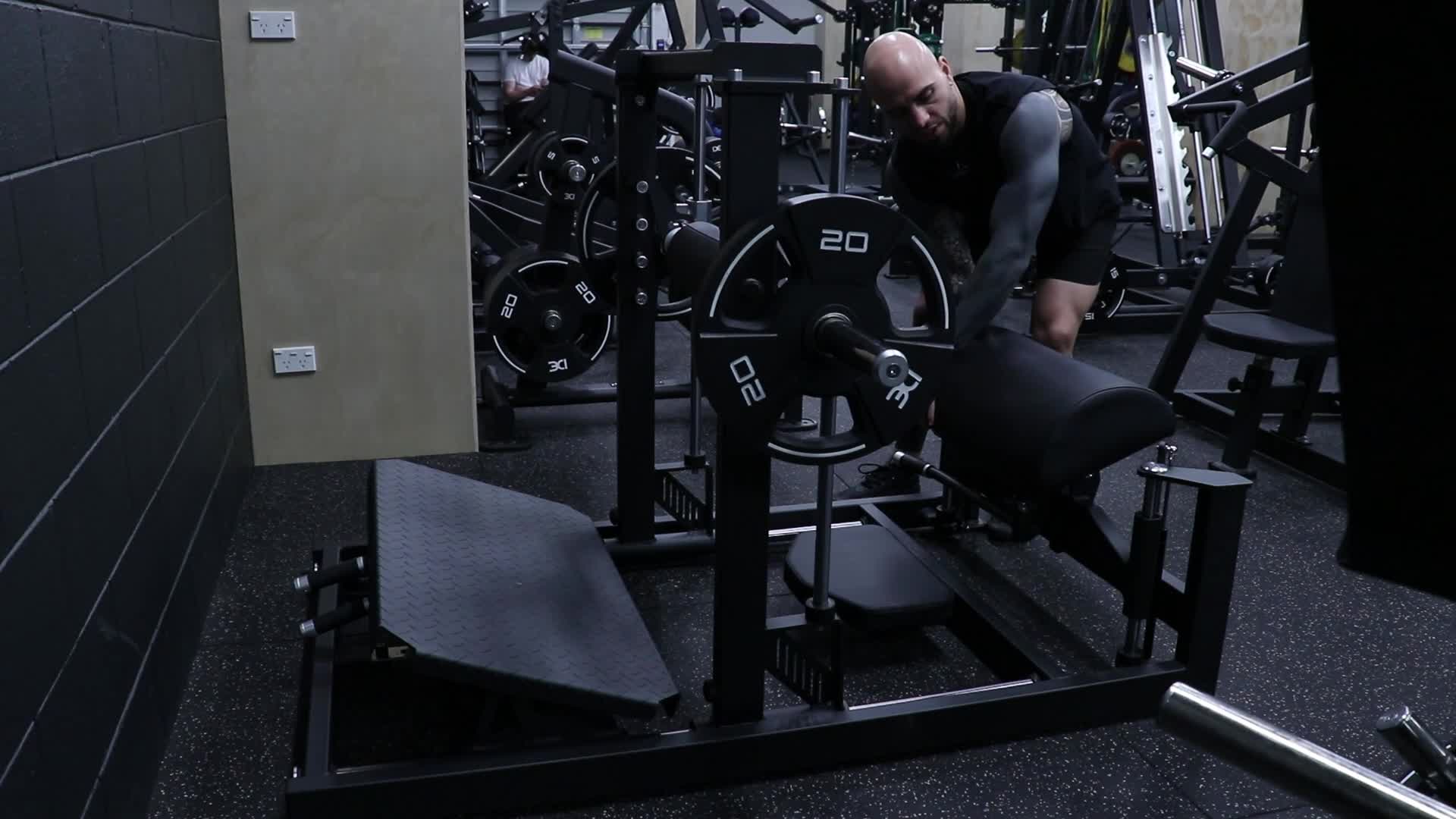
Prone Leg Curl Machine
What is it?
The Prone Leg Curl Machine is an isolation lower body exercise designed to strengthen and build the hamstrings. The machine provides a stable position that allows you to focus on bending the knee and contracting the hamstrings through a controlled range of motion.Primary Muscles Worked
Hamstrings
Calves (Secondary)
Glutes (Secondary)
How to Use
Adjust the machine so your knees are aligned with the machine's pivot point and position your lower legs comfortably against the padded roller. Lie face down with your hips and chest supported against the pads and grip the handles for stability. Curl your lower legs towards your glutes by bending your knees, bringing the padded roller up as far as is comfortable. Slowly lower your legs back to the starting position under control before repeating.Coaching Tips
Keep your hips firmly against the pad throughout the movement.
Align your knees with the machine's pivot point for proper positioning.
Keep your upper body stable and avoid lifting your hips off the pad.
Squeeze your hamstrings at the top of each repetition.
Lower the weight slowly and avoid letting it drop between repetitions.
Use a controlled range of motion without forcing your knees into an uncomfortable position.
-
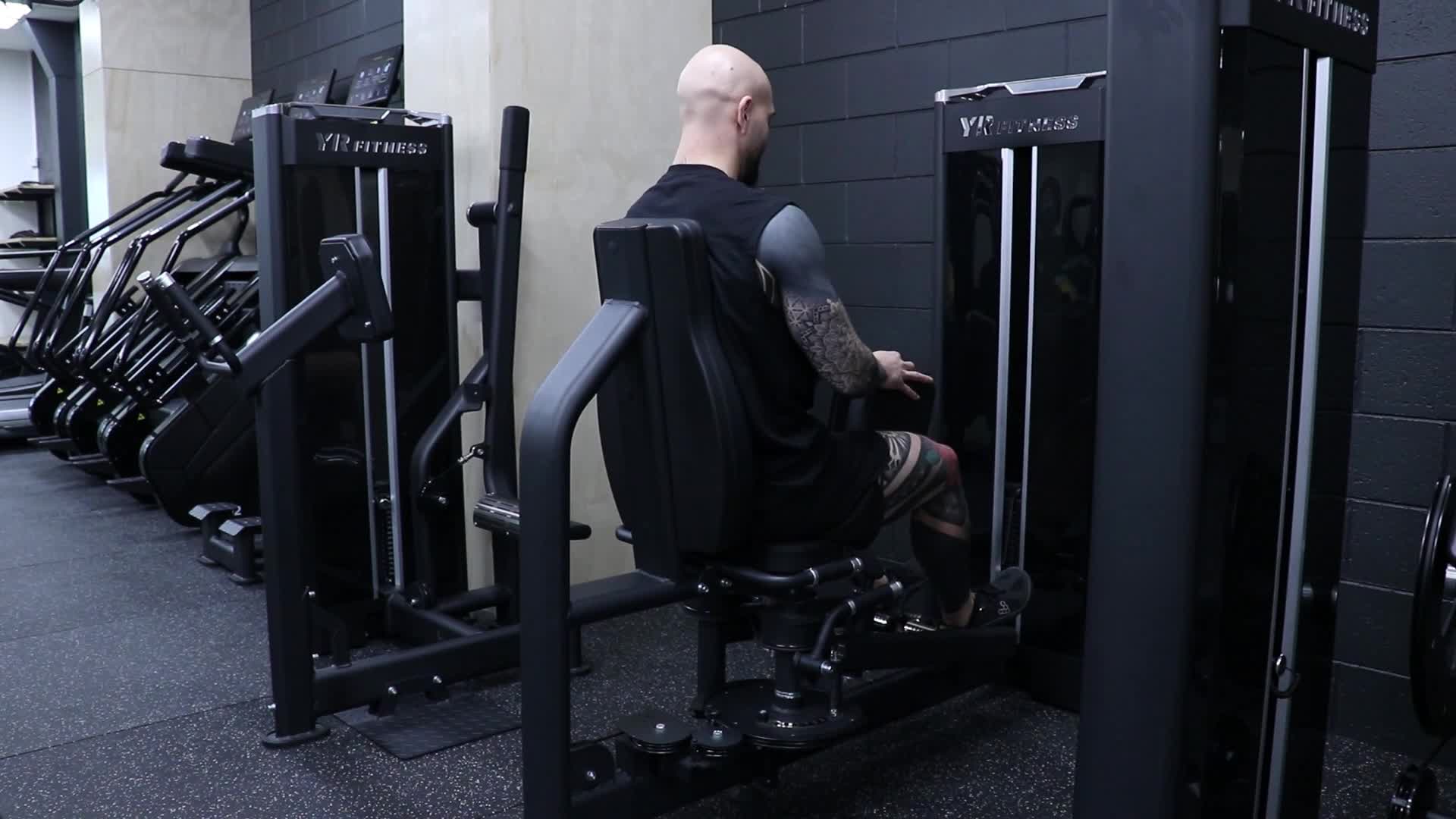
Hip Adduction/Abduction Machine
What is it?
The Hip Adduction/Abduction Machine is an isolation exercise machine designed to strengthen the muscles around the hips and thighs. It allows you to perform both hip adduction and hip abduction by adjusting the machine to target the inner or outer thighs.Primary Muscles Worked
Hip Adduction:
Inner Thighs (Adductors)
Hip Flexors
Glutes (Secondary)
Hip Abduction:
Glutes
Outer Hips (Hip Abductors)
Tensor Fasciae Latae (TFL)
How to Use
Adjust the thigh pads so you are sitting comfortably with your back supported. Set the pads to the desired starting position depending on the exercise.For hip adduction, position the pads on the outside of your thighs and bring your legs together by squeezing your inner thighs. Slowly return your legs to the starting position under control.
For hip abduction, position the pads against the inside of your thighs and push your legs outwards against the pads, focusing on your glutes and outer hips. Slowly return your legs to the starting position before repeating.
Coaching Tips
Keep your back firmly supported against the pad throughout the movement.
Use a controlled range of motion and avoid allowing the weight to pull your legs back too quickly.
Focus on squeezing the target muscles at the end of each repetition.
Avoid using momentum or bouncing the pads between repetitions.
Keep your movements smooth and controlled throughout both variations.
-
Seated Leg Press
What is it?
The Seated Leg Press is a compound lower body exercise that allows you to safely build strength and muscle through the hips, knees, and ankles using a controlled pressing movement.Primary Muscles Worked
Quadriceps
Glutes
Hamstrings
Calves
How to Use
Sit comfortably with your back against the pad and place your feet shoulder-width apart on the platform. Push the platform away by extending your legs, stopping just short of locking your knees. Slowly lower the weight until your knees reach a comfortable depth before repeating.Coaching Tips
Keep your heels flat throughout the movement.
Avoid locking your knees at the top.
Maintain contact between your lower back and the seat.
Lower the weight under control to maximise muscle engagement.
-
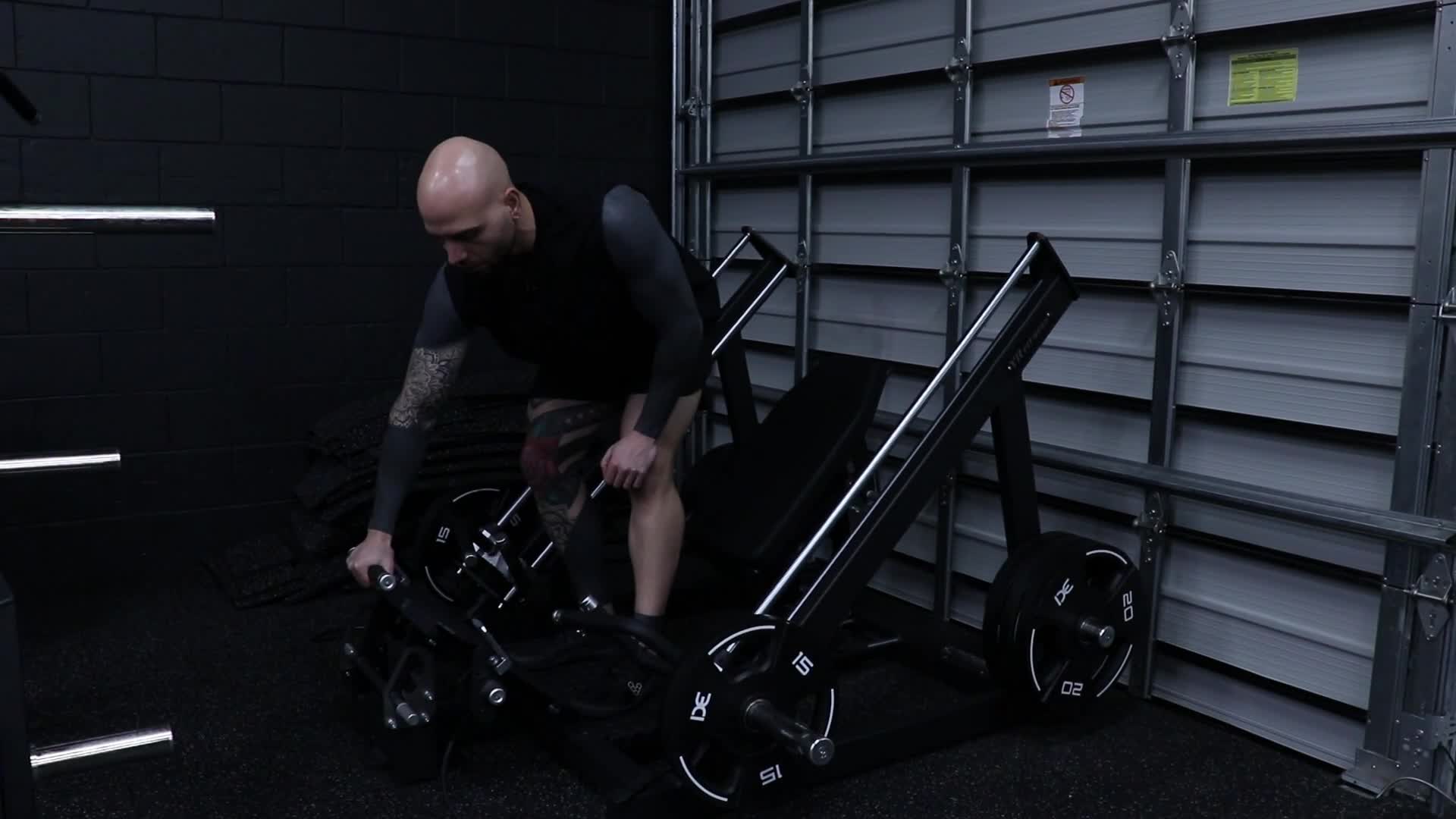
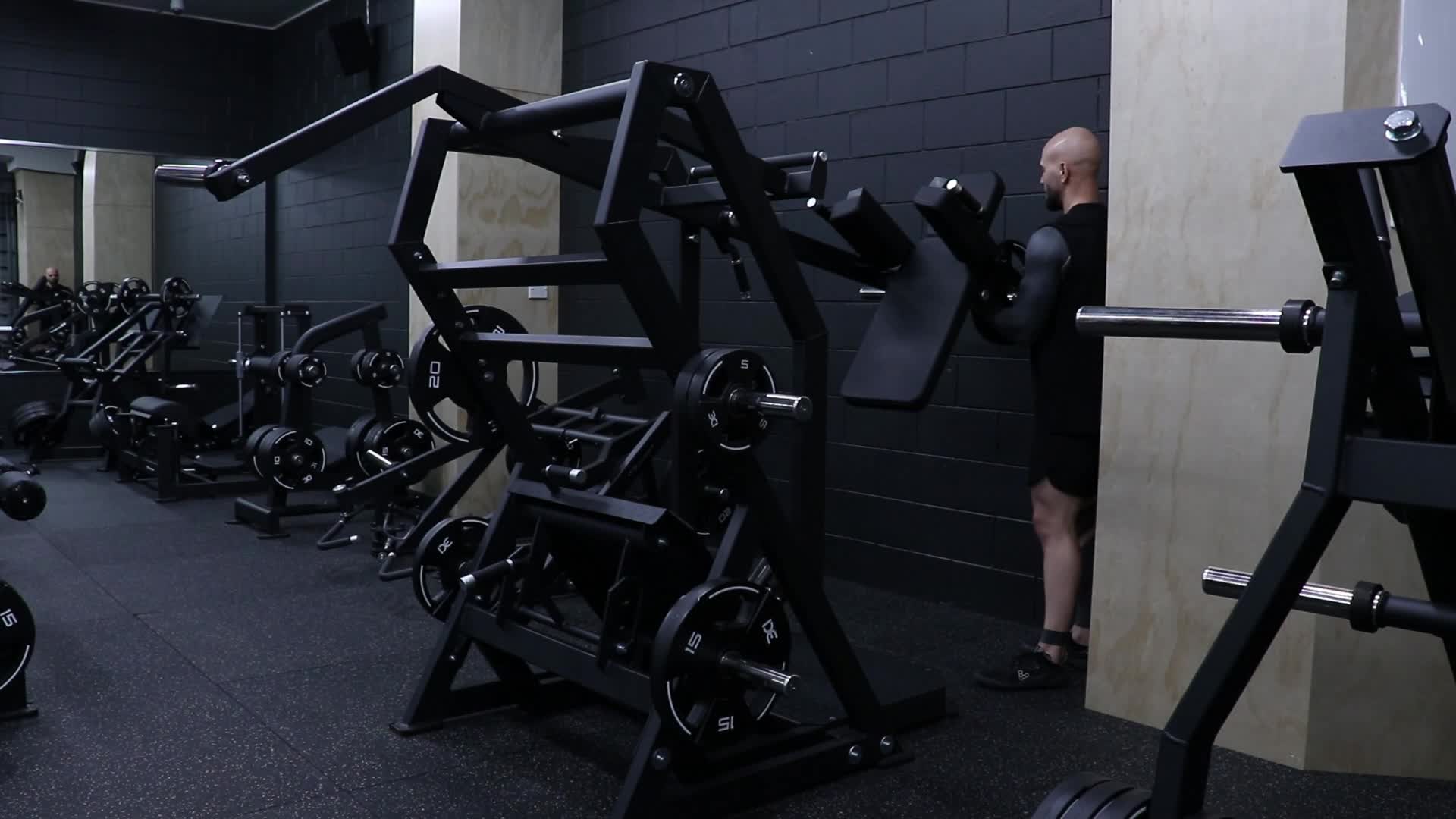
45 Degree Power Smith Seated Isolateral Pullback Machine
What is it?
The 45 Degree Power Smith Seated Isolateral Pullback Machine is a versatile strength training machine that can be used for both lower and upper body exercises. It allows you to perform Romanian deadlifts, straight leg deadlifts, back row variations, and single-arm variations of both movements. The back pad provides additional stability by supporting your legs throughout the exercises, helping you maintain a controlled and consistent movement.Primary Muscles Worked
Romanian / Straight Leg Deadlift:
Hamstrings
Glutes
Lower Back (Erector Spinae)
Core
Back Row:
Rhomboids (Middle Back)
Latissimus Dorsi (Lats)
Trapezius (Upper & Middle Back)
Rear Deltoids
Biceps
How to Use
Romanian / Straight Leg Deadlift: Position yourself with your legs resting firmly against the back pad and your feet planted securely. Grip the handles with your arms extended and maintain a slight bend in your knees. Push your hips backwards and hinge forward at your hips, lowering the weight while keeping your back neutral. Lower until you feel a comfortable stretch through your hamstrings, then drive the weight upwards, guided by the smith machine path, squeeze your glutes to return to the starting position. The movement can be performed with both arms or converted to a single-arm variation.Back Row: Position your legs firmly against the back pad and grip the handles with your arms extended. Pull the handles towards your body by driving your elbows backwards and squeezing your shoulder blades together. Keep your chest and legs stable against the support and slowly extend your arms back to the starting position. The machine can also be adjusted to perform the row one arm at a time.
Coaching Tips
Keep your legs firmly against the back pad to maximize stability throughout each movement.
For deadlifts, focus on pushing your hips backwards rather than squatting down.
Keep your back neutral and avoid rounding your spine during the deadlift variations.
For rows, drive your elbows back rather than pulling only with your hands.
Squeeze the targeted muscles at the end of each repetition.
Use controlled movements and avoid using momentum.
Start with a manageable weight when using the single-arm variations.
-
Multifunction Trainer
What is it?
The Multifunction Trainer is a versatile strength training machine that allows you to perform a range of lower and upper body exercises from one station. It can be used for sissy squats, deadlift variations, row variations, and shrugs, with both bilateral and single-arm options available. The adjustable attachments allow you to change the machine to suit different exercises and training preferences.Primary Muscles Worked
Quadriceps
Glutes
Hamstrings
Lower & Upper Back
Latissimus Dorsi (Lats)
Trapezius
Biceps
Core
How to Use
Sissy Squat: Pull the leg support out from the middle section of the machine and position your feet securely. Place your legs against the support. Slowly bend your knees and lean your upper body backwards, allowing your knees to travel forward while keeping your hips extended. Lower yourself to a comfortable depth, then drive through your feet to return to the starting position.Deadlift Variations: Use either set of arms located towards the front of the machine and select your desired weight. Stand with your feet about shoulder-width apart and grip the handles. Hinge at your hips while keeping your back neutral and lower the weight towards the floor. Drive through your feet and extend your hips to return to a standing position. The centre lever can be used to convert the machine to a single-arm option for unilateral deadlift variations.
Row Variations: Grip the handles with your arms extended and maintain a stable stance. Pull the handles towards your body by driving your elbows backwards and squeezing your shoulder blades together. Slowly extend your arms back to the starting position under control. The centre lever can be used to select the single-arm option, allowing you to perform rows one side at a time.
Shrugs: Stand upright and grip the handles with your arms hanging naturally by your sides. Keep your arms straight and raise your shoulders directly upwards towards your ears, squeezing your trapezius at the top of the movement. Slowly lower your shoulders back down before repeating. The centre lever can also be used to perform single-arm shrugs.
Coaching Tips
Adjust the machine and attachments securely before beginning each exercise.
Keep your core engaged and maintain good posture throughout each movement.
For deadlifts, focus on hinging through your hips rather than squatting down.
For rows, drive your elbows back and avoid shrugging your shoulders.
For shrugs, move your shoulders straight up and down rather than rolling them.
Use controlled movements and avoid using momentum to move the weight.
Start with a manageable weight until you are comfortable with each exercise variation.
-
Pendulum Squat
What is it?
The Pendulum Squat is a compound lower body exercise that provides a stable, guided squatting movement to build strength and muscle through the legs. The pendulum motion allows for a controlled squat path while supporting the upper body, making it a great option for training the lower body with a focus on the quadriceps and glutes.Primary Muscles Worked
Quadriceps
Glutes
Hamstrings
Calves
How to Use
Position your shoulders comfortably under the pads and place your feet about shoulder-width apart on the platform. Release the safety handle and slowly lower yourself by bending your knees and hips until you reach a comfortable depth. Keep your back supported against the pad throughout the movement. Drive through your feet to return to the starting position, stopping just short of locking your knees before repeating.Coaching Tips
Keep your feet flat on the platform throughout the movement.
Keep your knees tracking in line with your toes.
Maintain contact between your back and the support pad.
Control the descent and avoid dropping quickly into the bottom position.
Drive through your feet and squeeze your glutes as you return to the starting position.
-
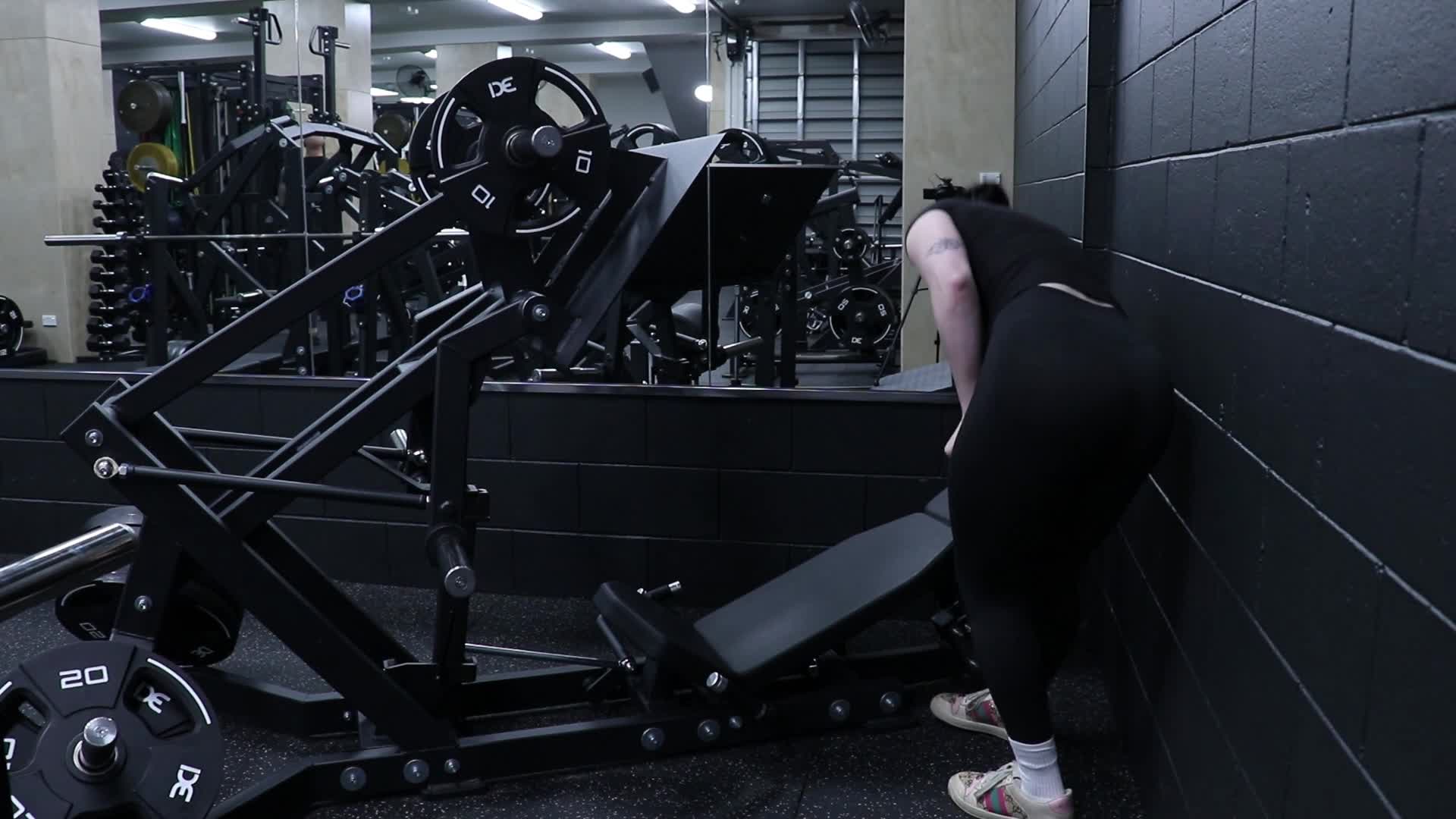
Plate Loaded Leg Press
What is it?
The Plate Loaded Leg Press is a compound lower body exercise that allows you to build strength and muscle through the legs using a controlled pressing movement. The machine provides support and stability while allowing you to progressively increase the resistance by adding weight plates.Primary Muscles Worked
Quadriceps
Glutes
Hamstrings
Calves
How to Use
Load the desired weight plates onto the machine and sit comfortably with your back firmly against the pad. Place your feet about shoulder-width apart on the footplate and release the safety handles. Push the platform away by extending your legs, stopping just short of locking your knees. Slowly lower the weight until your knees reach a comfortable depth before repeating.Coaching Tips
Keep your heels flat on the footplate throughout the movement.
Keep your lower back and hips firmly against the seat.
Keep your knees tracking in line with your toes.
Avoid locking your knees at the top of the movement.
Lower the weight under control to maximize muscle engagement.
-
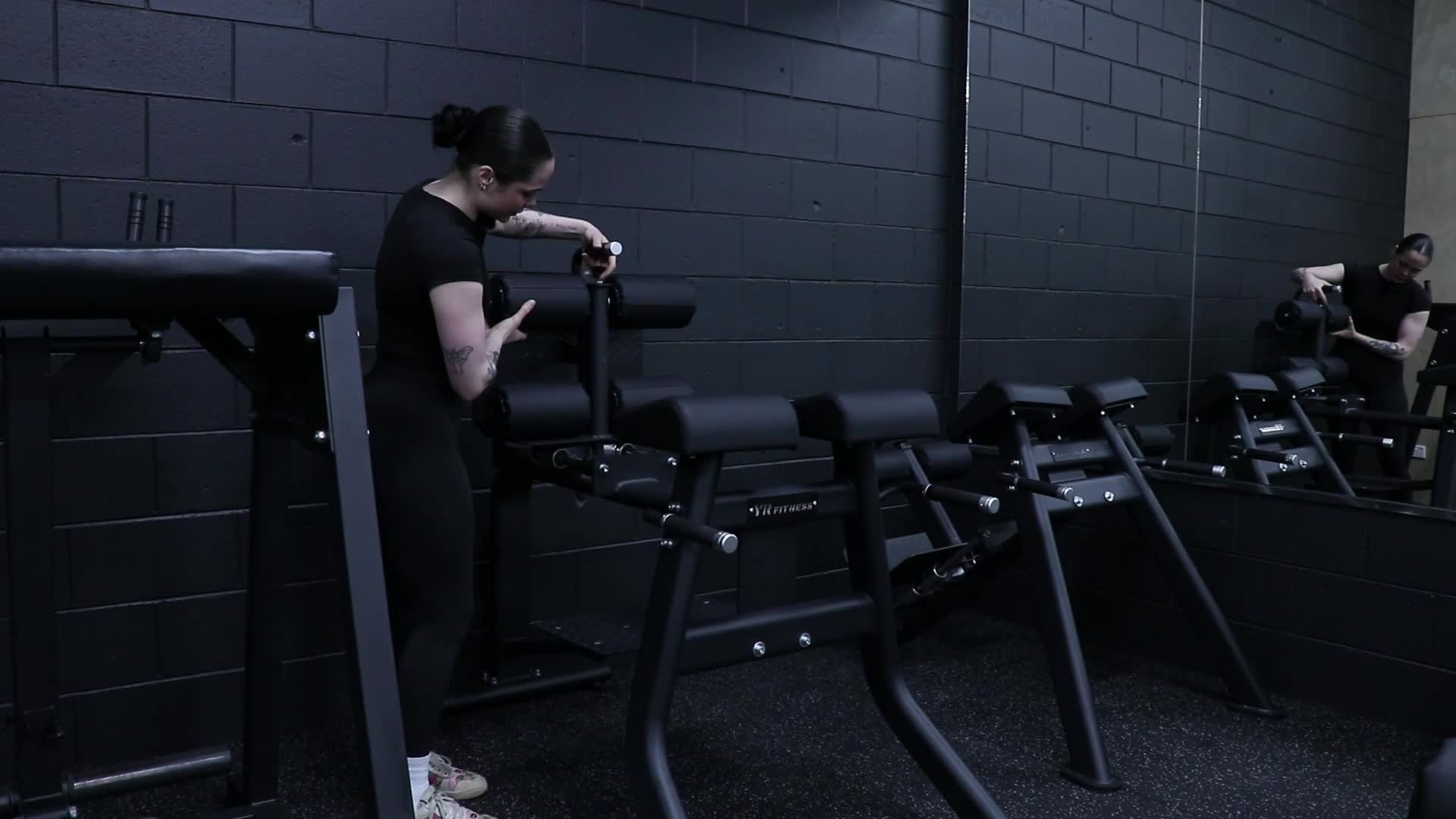
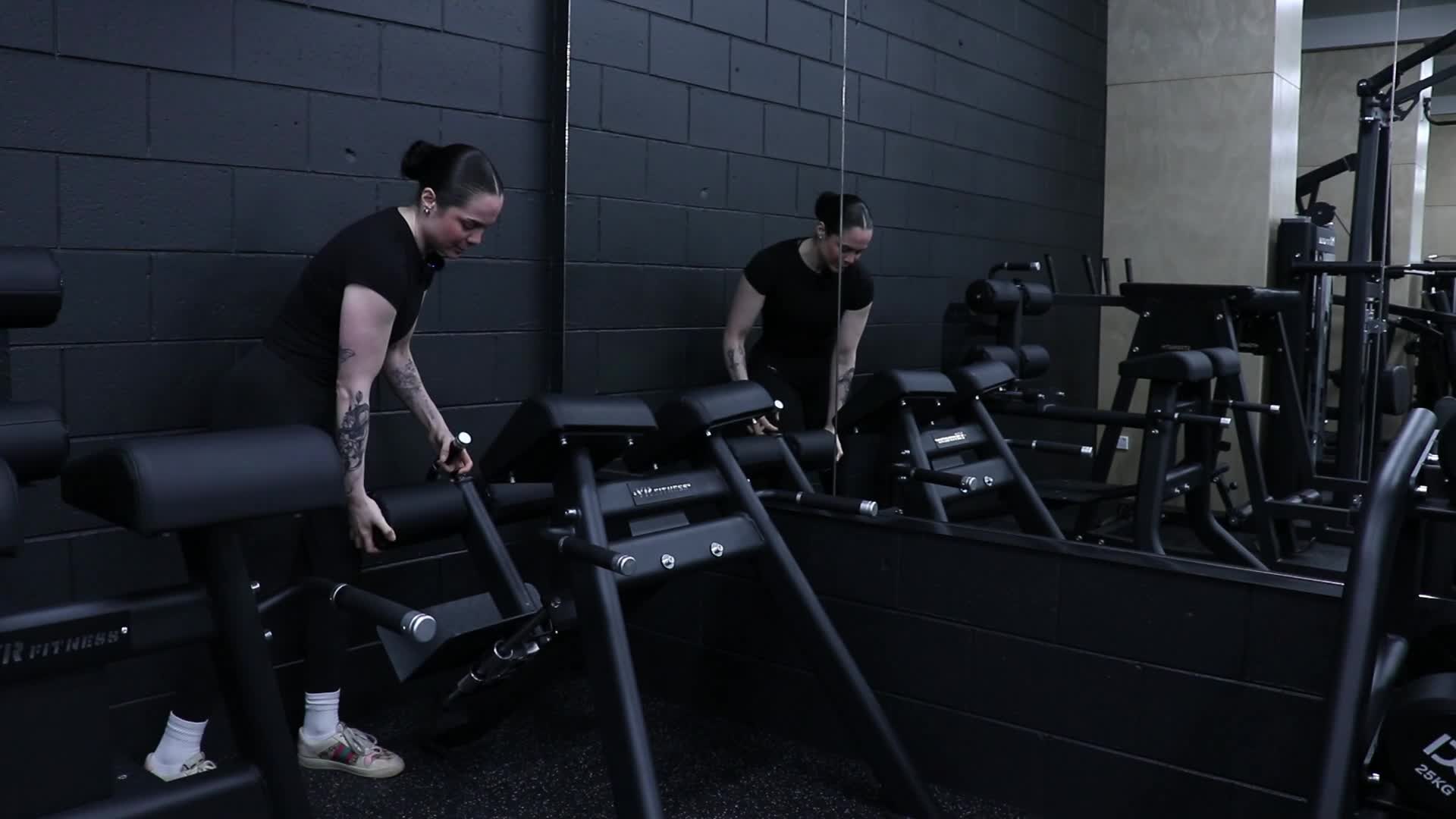
Horizontal Adjustable Roman Chair
What is it?
The Horizontal Adjustable Roman Chair is a bodyweight training station designed to strengthen the muscles of the posterior chain through controlled back extension movements. It can also be used for a variety of core exercises, making it a versatile piece of equipment for improving lower back strength, posture, and core stability.Primary Muscles Worked
Lower Back (Erector Spinae)
Glutes
Hamstrings
Core
How to Use
Adjust the footplate and thigh pad so your hips are positioned just beyond the edge of the pad, allowing your upper body to move freely. Secure your feet under the foot rollers and cross your arms over your chest or place your hands behind your head. Lower your upper body towards the floor by hinging at your hips, then contract your glutes and lower back to raise yourself back to the starting position.Coaching Tips
Keep your spine neutral throughout the movement.
Hinge from your hips rather than rounding your back.
Raise your body only until it forms a straight line with your legs.
Move slowly and under control to maximise muscle engagement.
-
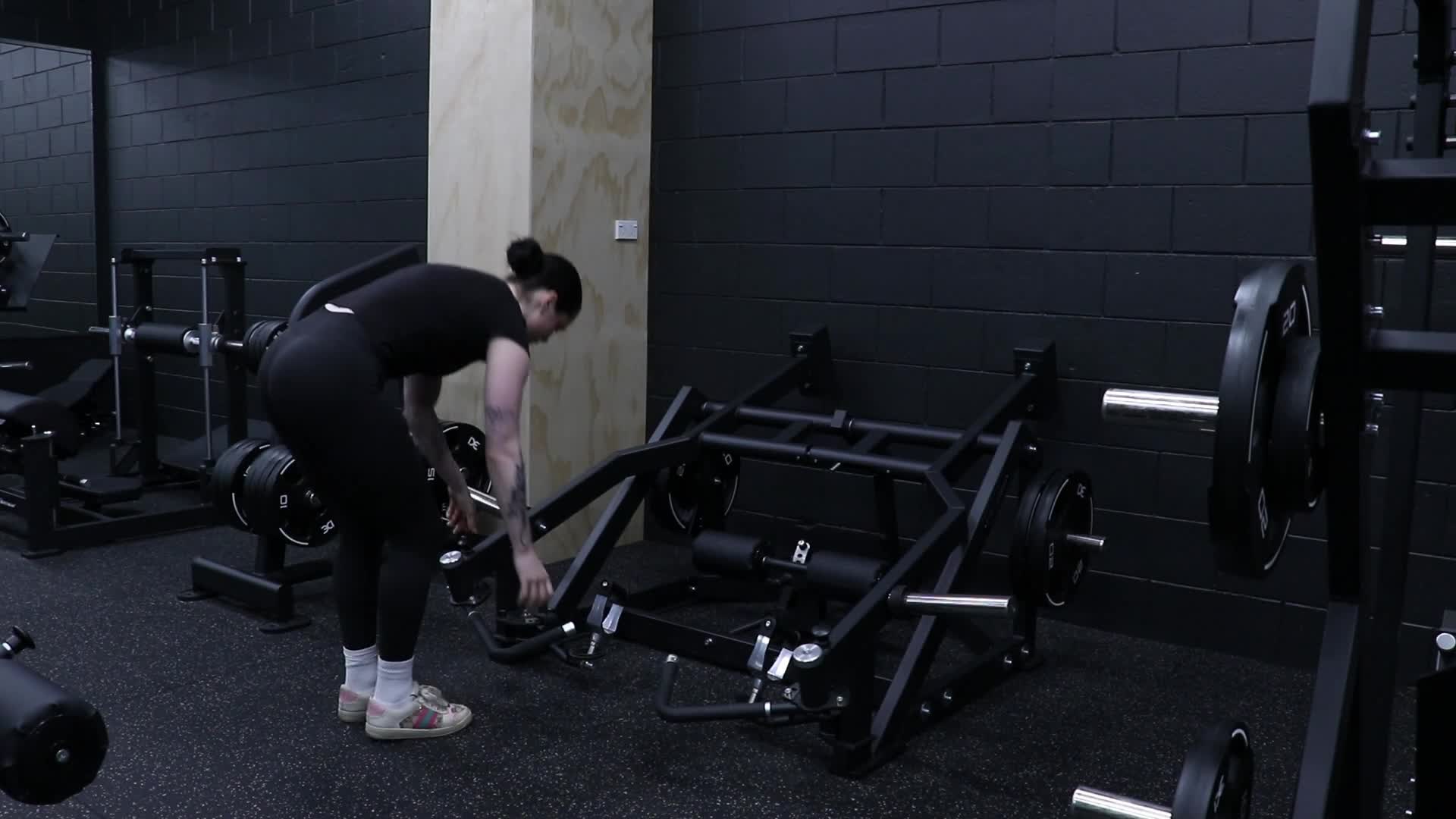
3D Hip Thrust
What is it?
The 3D Hip Thrust Machine is a lower body exercise designed to build strength and muscle through the glutes. The guided bar path provides stability throughout the movement, allowing you to focus on hip extension and effectively target the glutes.Primary Muscles Worked
Glutes
Hamstrings
Quadriceps (Secondary)
How to Use
Sit on the seat with your upper back against the bench and position the bar comfortably across your hips. Place your feet about shoulder-width apart with your knees bent. Drive through your heels and lift your hips to raise the bar, then rotate the bar inward to disengage it from the Smith machine. Lower your hips towards the floor, then drive through your heels to extend your hips and raise the bar until your body forms a straight line from your shoulders to your knees. Slowly lower your hips back down under control before repeating. When finished, drive your hips upward and rotate the bar back into the rack to re-engage the safety catches.Coaching Tips
Drive through your heels to maximize glute activation.
Keep your chin tucked and ribs down throughout the movement.
Pause and squeeze your glutes at the top of each repetition.
Avoid overextending your lower back—focus on moving through your hips.
Keep the bar secure across your hips throughout the movement.
-
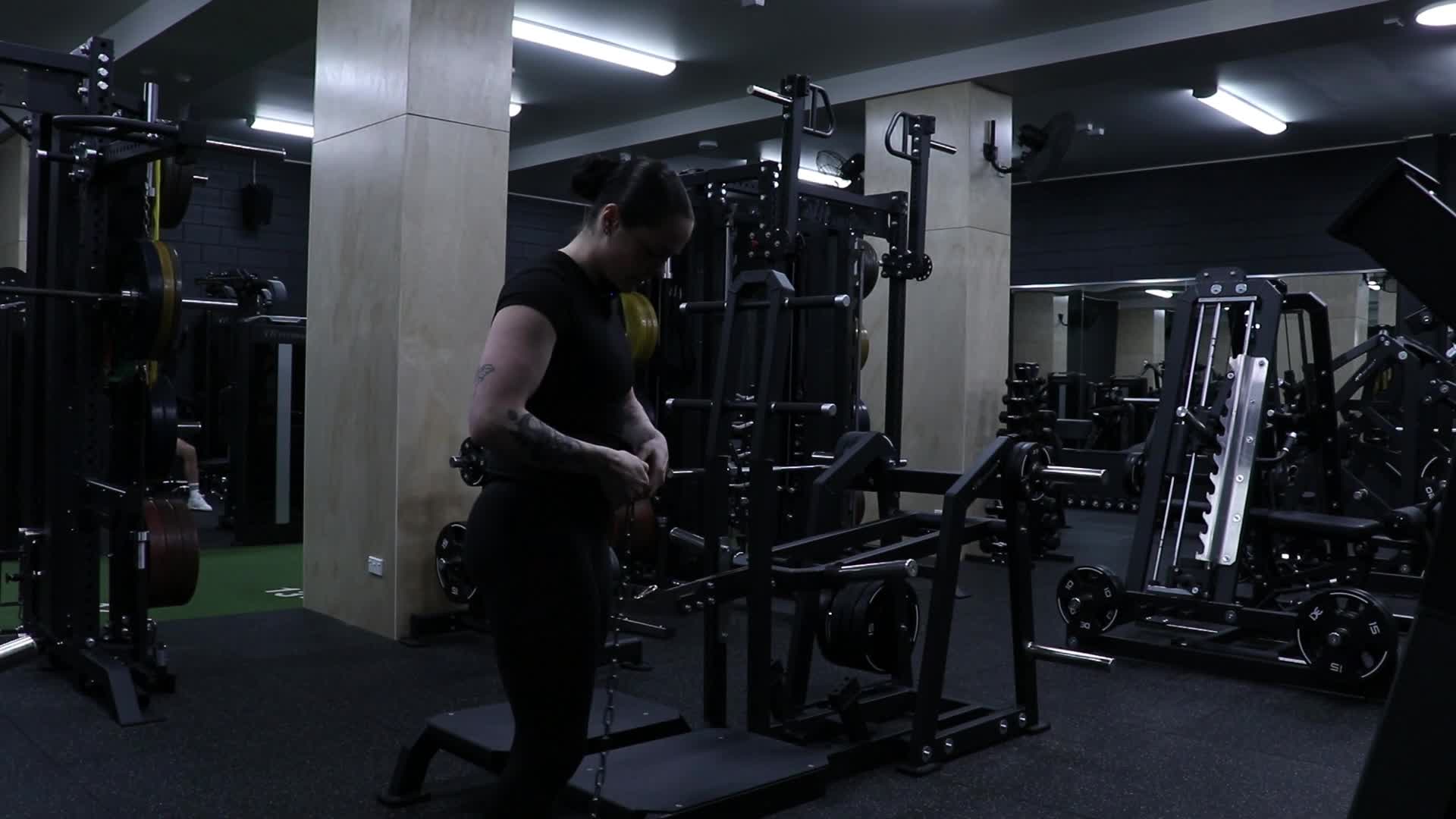
Belt Squat
What is it?
The Belt Squat is a compound lower body exercise that allows you to build strength and muscle in the legs while reducing the load placed on the upper body and spine. The weight is attached around the hips, allowing you to perform a squat movement while keeping your torso more upright and supported.Primary Muscles Worked
Quadriceps
Glutes
Hamstrings
Calves
How to Use
Secure the belt comfortably around your hips and connect it to the machine. Stand on the platform with your feet about shoulder-width apart and release the safety mechanism. Slowly lower yourself by bending your knees and hips until you reach a comfortable depth. Push through your heels to return to the starting position, stopping just short of locking your knees before repeating.Coaching Tips
Keep your feet flat on the platform throughout the movement.
Keep your chest up and maintain a neutral spine.
Drive through your heels to maximize leg engagement.
Keep your knees tracking in line with your toes.
Lower yourself under control and avoid bouncing at the bottom.
-
Hack Squat
What is it?
The Hack Squat is a compound lower body exercise that provides a stable, guided movement to build strength and muscle in the legs. By supporting your back and shoulders, it allows you to safely squat with heavier loads while placing greater emphasis on the quadriceps.Primary Muscles Worked
Quadriceps
Glutes
Hamstrings
Calves
How to Use
Position your shoulders under the pads and stand with your feet about shoulder-width apart on the platform. Release the safety handles, then slowly lower yourself by bending your knees and hips until you reach a comfortable depth. Push through your heels to return to the starting position, stopping just short of locking your knees before repeating.Coaching Tips
Keep your feet flat on the platform throughout the movement.
Drive through your heels to maximise leg engagement.
Keep your knees tracking in line with your toes.
Lower yourself under control and avoid bouncing at the bottom.
-
45 Degree Roman Chair
What is it?
The 45 Degree Adjustable Roman Chair is a lower body and core exercise station designed to strengthen the muscles of the posterior chain. It can be used for controlled back extensions, helping develop strength in the lower back, glutes, and hamstrings while also improving core stability.Primary Muscles Worked
Lower Back (Erector Spinae)
Glutes
Hamstrings
Core
How to Use
Adjust the footplate and thigh pad so your hips are positioned just beyond the edge of the pad, allowing your upper body to move freely. Secure your feet under the foot rollers and position your thighs comfortably against the pad. Cross your arms over your chest or place your hands behind your head. Slowly lower your upper body towards the floor by hinging at your hips, then contract your glutes and lower back to raise yourself back to the starting position.Coaching Tips
Keep your spine neutral throughout the movement.
Hinge from your hips rather than rounding your back.
Keep your core engaged and maintain control throughout the movement.
Raise your body only until it forms a straight line with your legs.
Avoid overextending your lower back at the top of the movement.